
In August 2014, a spoof version of the British bakery Greggs’ logo appeared prominently in Google search results with an offensive fake slogan. The logo had been altered on a third-party site, but the search presentation made it look to some users as though Google itself was displaying an official brand image. Greggs responded publicly with humor, and Google said the result had been removed. The story was widely remembered as a light-hearted social-media exchange, but it also illustrated a real problem: search results can display images and snippets that neither the search engine nor the brand created.
What happened
Contemporary reports described an altered logo being surfaced for searches related to Greggs. Google’s search systems can select an image associated with a page, and a result may change as pages are crawled, indexed, or corrected. A visually prominent image is not necessarily supplied by the company named in the query. In this case, Greggs used a public appeal to Google and joked about receiving a sausage-roll-themed Doodle. Google’s reply and the brand’s response helped turn a potential reputation problem into a widely shared exchange.
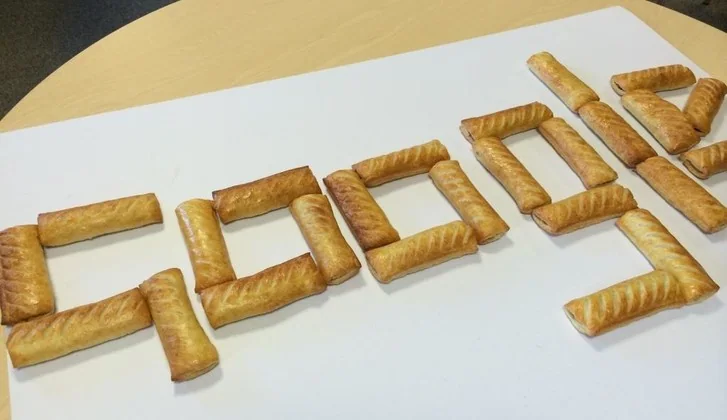
The distinction between a search result and a Google Doodle matters. A Doodle is an intentional illustration created for Google’s homepage; an image thumbnail or business knowledge panel is part of search presentation and can come from other sources. Calling the episode a “Google Doodle” would therefore be inaccurate. The company did not create an official Greggs Doodle to apologize; the sausage-roll suggestion was part of the public joke.
What a business can do when a search image is wrong
First, document the query, date, region, device, and visible result, because search results can vary and change quickly. Then contact the platform through its official reporting or business-support channels and identify the source page if it is known. A business should also check its own website metadata and profile images, while recognizing that correcting its own pages may not immediately change a third-party search result. Avoid paying an unknown service that promises instant removal or requests account credentials.
For readers, verify a surprising brand claim by visiting the company’s official site or account. Search snippets can be useful but are not guarantees that the displayed content is accurate or endorsed. Screenshots should be dated and described as evidence of what appeared on a particular screen, not proof of the underlying source’s intent.
The lasting lesson
The incident became a case study in online response because Greggs answered quickly and playfully. The practical lesson for publishers is to separate a platform’s interface from the origin of the content it displays. That distinction reduces misinformation and gives readers a clearer account of how an image reached a search page.
Sources and limits
Sky News and Search Engine Land reported the event and the public exchange at the time. Google’s Doodles page explains the separate purpose of Doodles. The original result is no longer live, so this account relies on contemporaneous reporting and does not claim to identify the individual who altered the image.

