
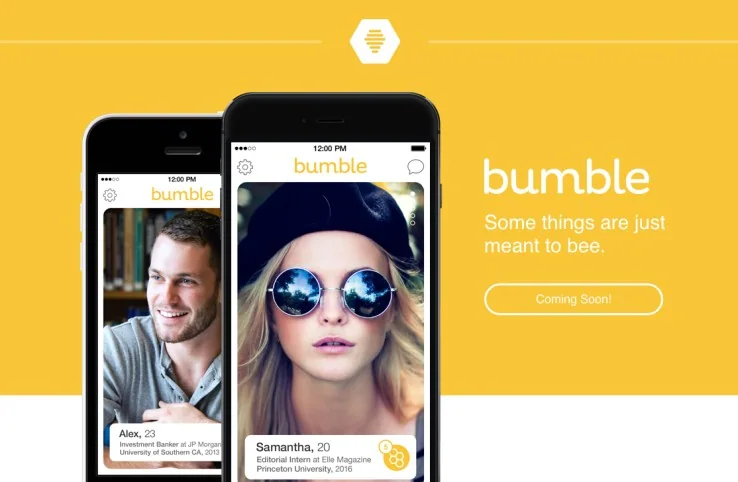
Bumble launched in the mid-2010s with a dating-app concept that gave women more control over how certain matches began a conversation. The original article compared its early interface with Tinder, but apps change frequently: features, eligibility rules, location controls, and subscriptions may no longer match screenshots or descriptions from 2014. This rewrite looks at the product’s early design without treating old details as current instructions.
What the early design emphasized
The launch-era experience used swipe-based discovery while positioning the service around women initiating conversations in heterosexual matches. That was part of Bumble’s original product identity, not a timeless rule for every connection type or a guarantee about user behavior. Policies and interaction flows evolve, so consult the current in-app explanation and official help materials for the rules that apply to an account and region.
Dating apps commonly use profile information, preferences, and approximate location to recommend or display people. Review permissions, especially location and contacts access, and share only details you are comfortable making visible. Avoid publishing a home address, workplace schedule, financial details, or travel itinerary. Check privacy settings and understand what other users can see before adding personal material.
Safety and respectful use
Keep early conversations inside the app until you have built trust. Be cautious of requests for money, gift cards, investment transfers, verification codes, or intimate images. Never send a one-time sign-in code to someone you meet through a dating service. If a profile seems fraudulent or a person behaves abusively, use block and report tools and contact local authorities if there is immediate danger. Meet in a public place, tell a trusted person where you are going, and arrange your own transport.
These are general precautions, not a claim that one dating service is safer than another. Identity verification, reporting, and moderation have limits and cannot guarantee someone’s identity or intentions. Review the provider’s current safety center, privacy notice, and terms; features and age rules vary by location.
The historical Tinder comparison should not be read as a current feature comparison. Bumble’s product pages and Help Center are the best places to confirm how matching, messaging, subscriptions, and safety controls work today. The early product shows how interface choices shape social interactions, while careful privacy settings and clear personal boundaries remain useful. See Bumble product updates, the Bumble Help Center, and FTC romance-scam guidance.

