
A comparison between the iPhone 6 and Google’s Nexus 4 needs a date label. Apple announced iPhone 6 in September 2014, while Google’s published Nexus support table places the Nexus 4’s end of guaranteed Android version updates in November 2014 and its end of guaranteed security updates in November 2015. These were devices from different generations, so a direct “which is better?” verdict can obscure the age and support gap.
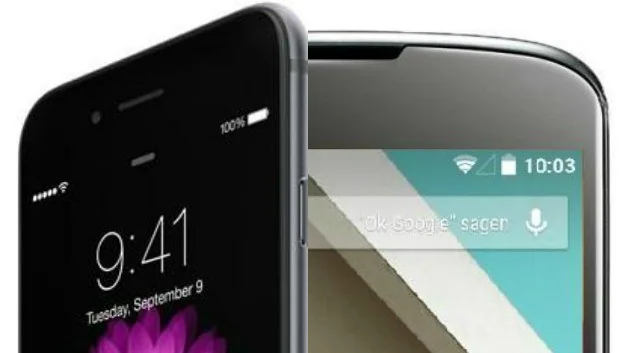
Two phones from different product cycles
Apple’s official launch announcement identifies the iPhone 6 as a 2014 model with a 4.7-inch Retina HD display and A8 processor. The Nexus 4 was an earlier Google phone. By the time the iPhone 6 launched, the Nexus 4 was near the end of Google’s stated window for guaranteed Android version updates. That does not mean a Nexus 4 stopped working on a particular day, but it does mean buyers should separate basic functionality from guaranteed software support.
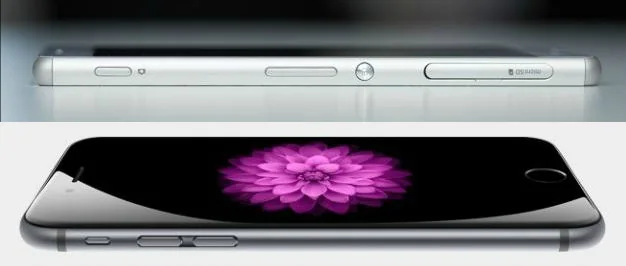
The devices also belonged to different operating-system ecosystems. The iPhone ran Apple’s iOS, while the Nexus 4 received Android software directly from Google. That affected app distribution, customization, accessory choices, and update delivery. A comparison should consider what a buyer values rather than assuming one platform is universally superior.
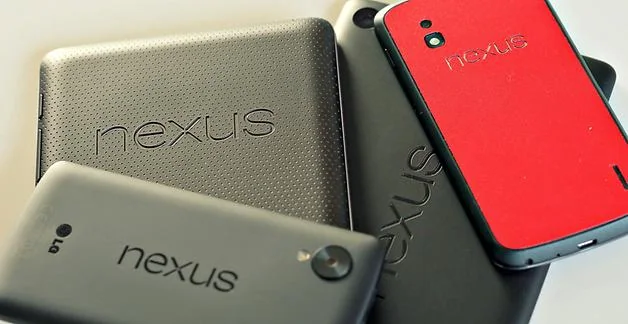
What to compare when evaluating old phones
For a historical comparison, focus on the features that shaped each product at launch: display size and resolution, processor generation, camera capabilities, storage options, battery design, and the software experience. Use official specifications where possible, and note that manufacturer claims such as “fastest” or “best” are marketing statements. Independent reviews can add real-world testing, but those findings should be dated and tied to the tested software version.
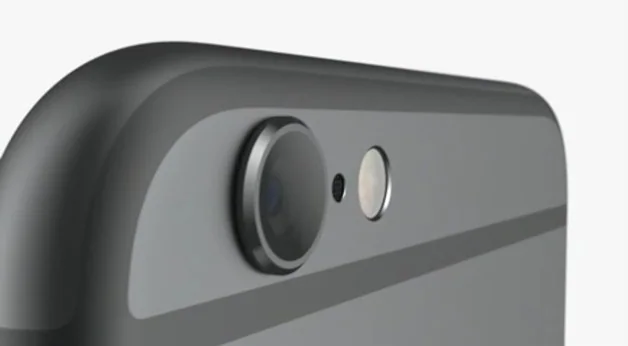
For a used purchase today, support status and battery health matter more than launch-day benchmark scores. Check the exact model, inspect the screen and charging port, verify network compatibility with your carrier, and confirm whether essential apps still support the installed operating system. Google’s support table explicitly says Nexus devices are guaranteed updates only for minimum periods; Apple’s current compatibility information should be checked separately for the precise iPhone model and current iOS release.
Why the original matchup is misleading without context
The iPhone 6 was a current 2014 release, but Nexus 4 was already an older model. A price-based comparison could still make sense for a discounted or second-hand buyer, but it needs the date, market, storage configuration, and warranty status. Comparing the new iPhone’s launch price with a used Nexus price would not be an equal retail comparison.
This refreshed article treats the matchup as a snapshot of the 2014 smartphone market rather than a current buying guide. The devices are now legacy products; readers should use manufacturer support pages and current security information before considering either for everyday use.

