
The HTC One M9 followed the One M8 as HTC’s flagship Android phone, keeping the metal-bodied design while changing several core specifications. A useful upgrade decision depends on what an owner values: camera resolution, processing hardware, storage expansion, display size, or simply keeping a familiar phone that still works. Manufacturer specifications can show the differences, but they cannot predict how much an individual user will notice them.
Camera changes
HTC’s published M8 specifications list an UltraPixel rear camera and a secondary camera that captures depth information. The M9 specification lists a 20-megapixel rear camera with autofocus and 4K video recording, alongside a front-facing UltraPixel camera. That is a substantial change in camera design and resolution on paper. More megapixels alone do not guarantee better photographs: lens quality, sensor size, exposure, processing, focus, and shooting conditions all matter.
Performance and storage
The M8 specification lists a quad-core Snapdragon 801 processor and 2GB of RAM. HTC’s M9 launch materials describe an octa-core Snapdragon 810 platform and the phone’s updated software experience. HTC also lists microSD expansion for both generations, with the M8 specifications describing support up to 128GB and the M9 launch announcement noting a card capacity up to 2TB. Actual compatibility depends on the card, software, and region; confirm the exact model’s documentation before purchasing accessories.
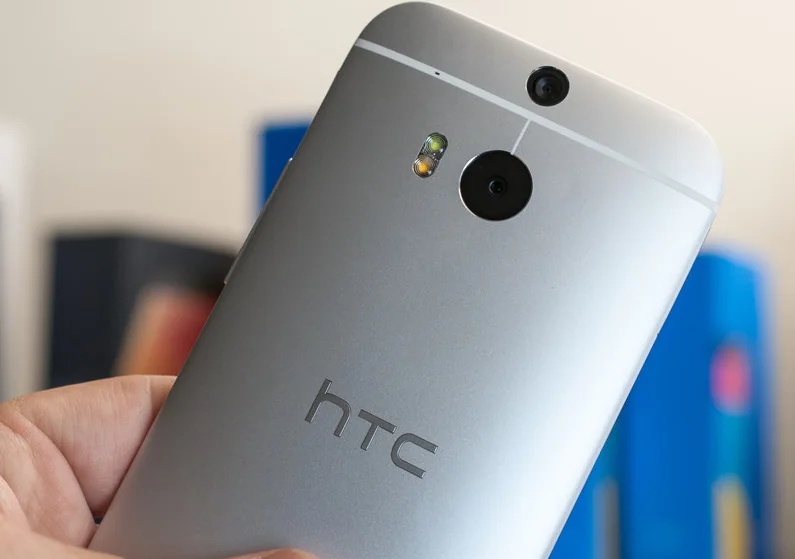
Design and everyday use
The M9 retained HTC’s metal unibody approach and front-facing BoomSound speakers, while HTC promoted improvements to audio and its Sense software. A new processor or camera can matter to users who run demanding apps or take frequent photos, while a working M8 may remain adequate for calls, messages, and basic browsing. Battery age, app support, network compatibility, and security updates are also relevant to a present-day decision.
How to make a sensible upgrade choice
Compare the exact regional models rather than relying on a generic comparison chart. Check carrier bands, storage, SIM configuration, battery condition, and whether the device can still receive security updates. If buying used, test the screen, cameras, speakers, charging port, buttons, and wireless connections before paying. Confirm that the phone is not carrier-locked or account-locked.
For existing owners, ask what problem an upgrade solves. If the M8’s camera or performance is limiting a task, the M9’s changed hardware may be relevant. If the phone meets the owner’s needs, a replacement is not automatically worthwhile. The M9 specifications establish what changed; only hands-on testing and the owner’s priorities determine whether those changes justify an upgrade.

