
In 2015, Facebook Messenger was expanding beyond text conversations. The platform introduced app extensions, a revised way to send locations, and person-to-person payments in the United States. Older how-to posts combined these ideas into a single feature list, but they were separate tools with different availability and launch schedules. They should be read as a snapshot of Messenger at the time, not as instructions for the current app.
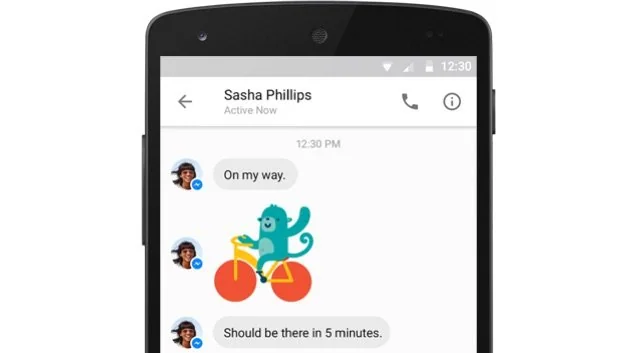
Location sharing became an explicit action
Facebook announced a new location-sharing approach in June 2015. Rather than continuously sharing a user’s location by default, the described flow let someone choose a place or map location and send it as a separate message. Facebook said location sharing was optional and explained that Messenger would receive precise device location only when location services were enabled and the person chose to send a location.
This distinction remains useful when considering any messaging app: sending a place you selected is different from allowing continuous or background location access. Review an app’s current permission settings and the wording of its location-sharing controls. Menu names and capabilities change, so use the live Help Center rather than a 2015 screenshot to make decisions about location privacy today.

Messenger apps and extensions
Messenger also opened parts of its platform to third-party developers. The idea was that separate apps could create content—such as sound clips, stickers, or photo effects—that users then shared in conversations. Meta’s year-end summary for 2015 described Messenger as a growing platform and listed features including video calling, conversation customization, and Photo Magic.
Extensions from that era may no longer be available or maintained. An old app listing can redirect, disappear, or be taken over by a different publisher. Do not install an APK or grant access to messages merely to reproduce a past Messenger effect. Check the developer, permissions, and current support before installing any companion application.
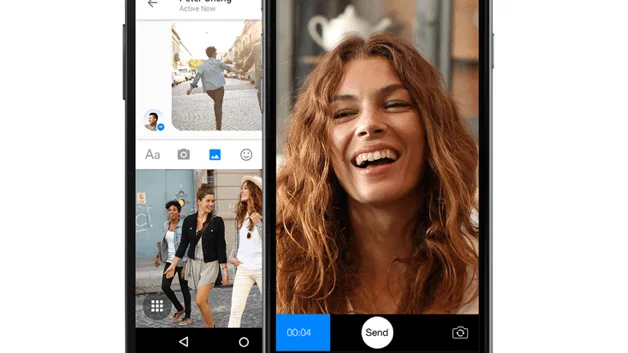
Person-to-person payments were a separate announcement
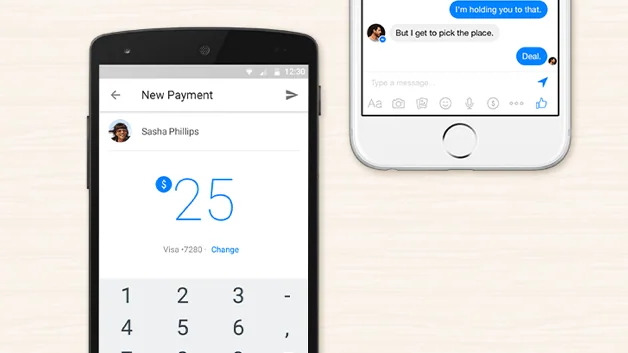
In March 2015, Facebook announced that Messenger users in the United States would be able to send money to friends through conversations. The announcement described adding a debit card and choosing a payment action. It was a U.S. rollout, not a globally available feature, and the historical steps in old articles should not be assumed to match today’s products or payment services.
Payment safety depends on verifying the recipient, amount, and applicable terms. Do not send money based on an unexpected request, and never share one-time login codes or account credentials in a chat. For any current payment option, consult Meta’s current payment terms and check the in-app details before linking a payment method.
How to use old Messenger articles
When a guide is several years old, check its publication date before following a menu path. Features may have been renamed, redesigned, removed, or limited to certain countries. A screenshot can preserve a historical interface, but it cannot establish present availability or current privacy behavior. Look for a current Meta Help Center page and an in-app setting when you need instructions.
Messenger’s 2015 expansion helps explain the company’s strategy: make conversations a place to share locations, media, app-generated content, and eventually payments. Each function involved different controls and trade-offs. Treat the old feature list as product history, verify current capabilities directly, and avoid installing unsupported add-ons from untrusted sources.

