
The HTC One M9 and Apple iPhone 6 represented different approaches to premium phones in 2015. HTC emphasized a larger Full HD screen, front-facing stereo speakers, a metal body, and Android customization. Apple’s iPhone 6 paired a smaller display with iOS, Touch ID, and Apple’s app ecosystem. Their official specifications give a useful historical comparison, but neither spec sheet proves which device is better for every person.
Display and size
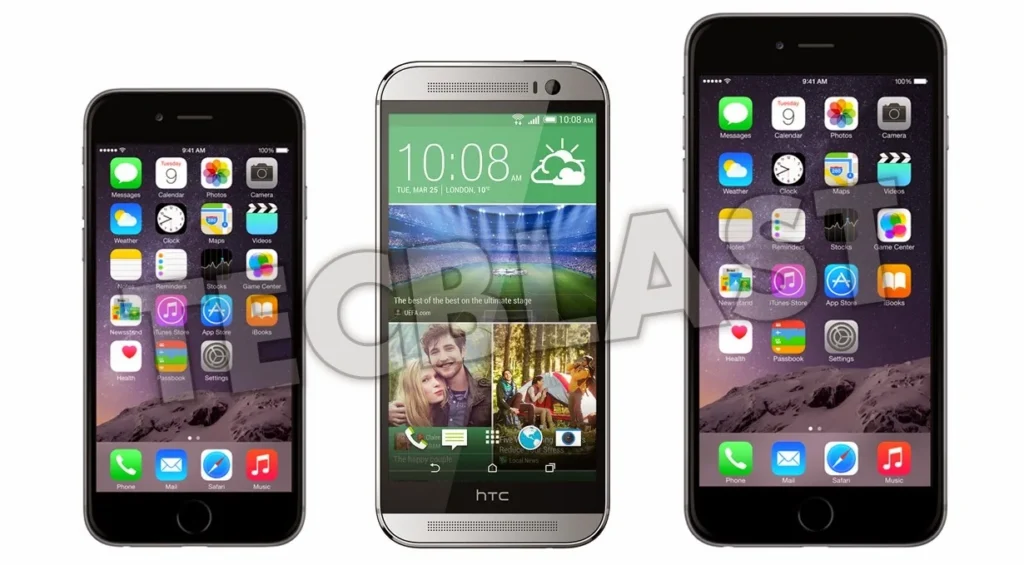
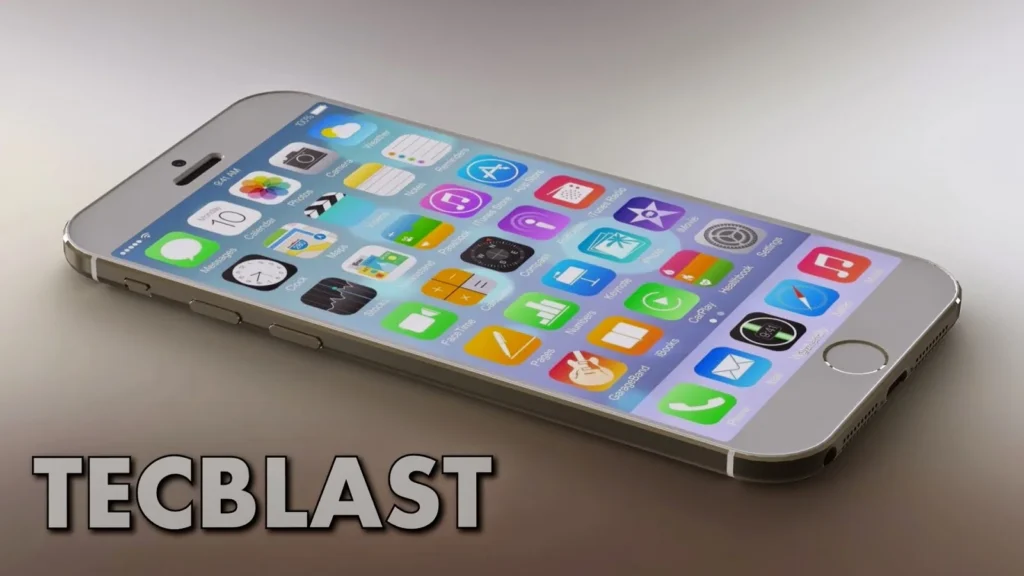
HTC lists the One M9 with a 5-inch Full HD display. Apple lists the iPhone 6 with a 4.7-inch display at 1334 by 750 pixels. The M9’s larger panel and higher pixel dimensions may suit users who prefer more screen area; the iPhone 6’s smaller dimensions may be easier for some people to carry or handle. Screen measurements alone do not describe brightness, color, accessibility, or one-handed comfort.
Camera systems
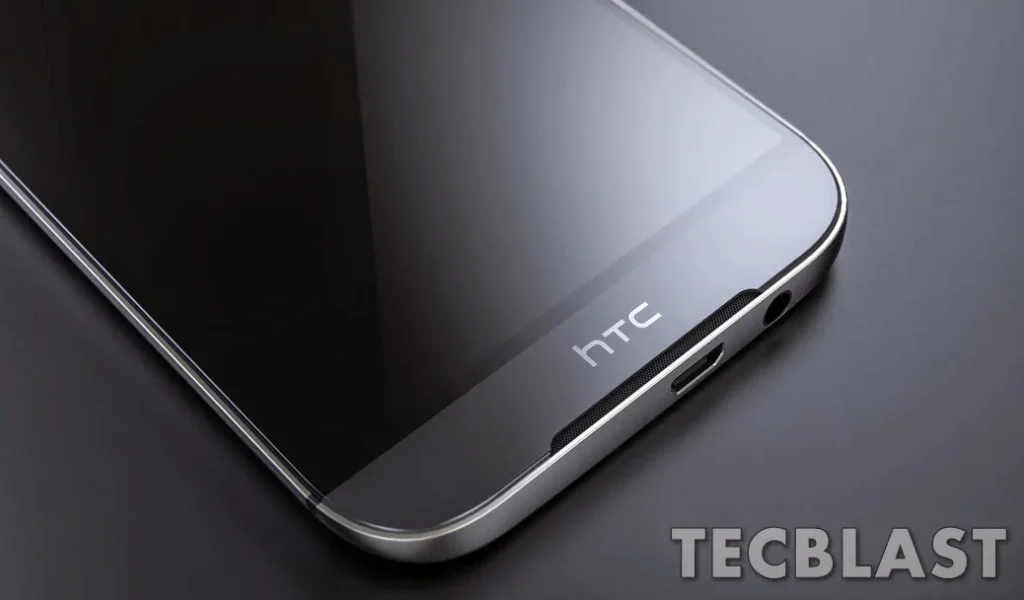
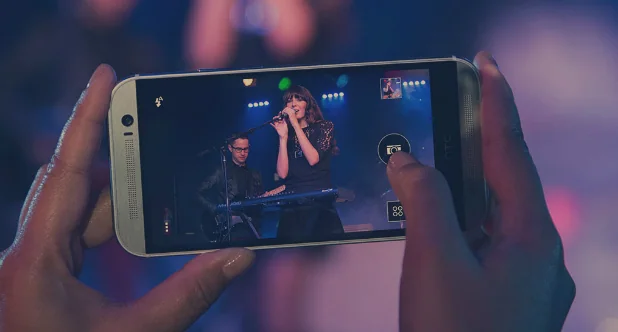
HTC’s M9 specification lists a 20-megapixel rear camera with autofocus and 4K video recording, plus a front UltraPixel camera. Apple’s iPhone 6 specification lists an 8-megapixel rear camera, Focus Pixels autofocus, and 1080p video recording; optical image stabilization was listed for the iPhone 6 Plus, not the standard iPhone 6. Megapixel counts are not a complete quality score. Lens, sensor, processing, focus, exposure, and the photographer’s conditions all influence results.
Platform and hardware
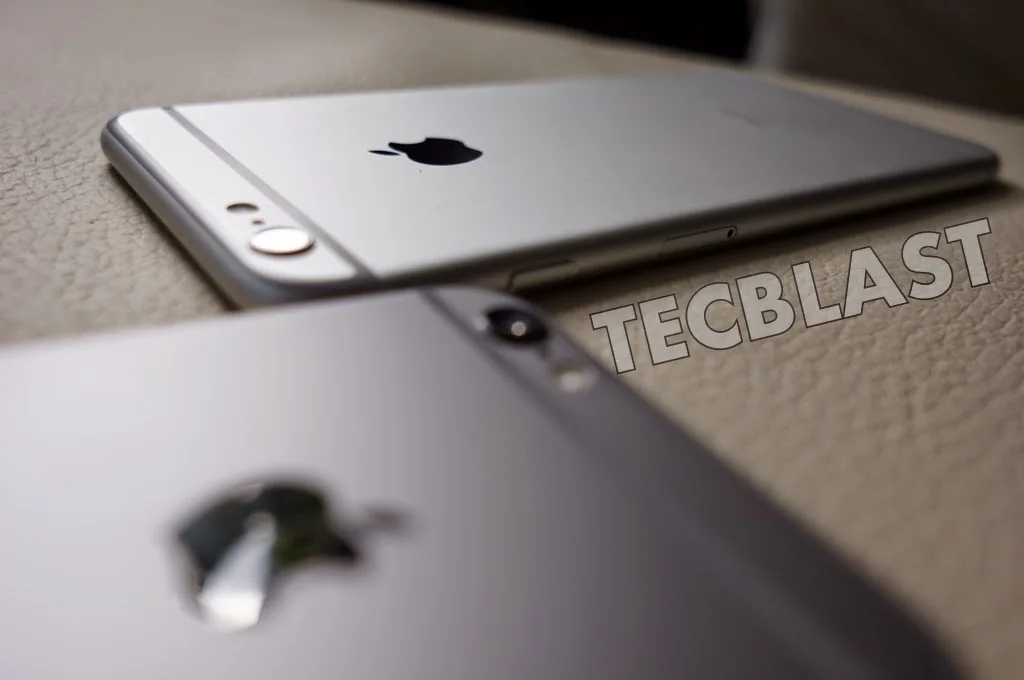
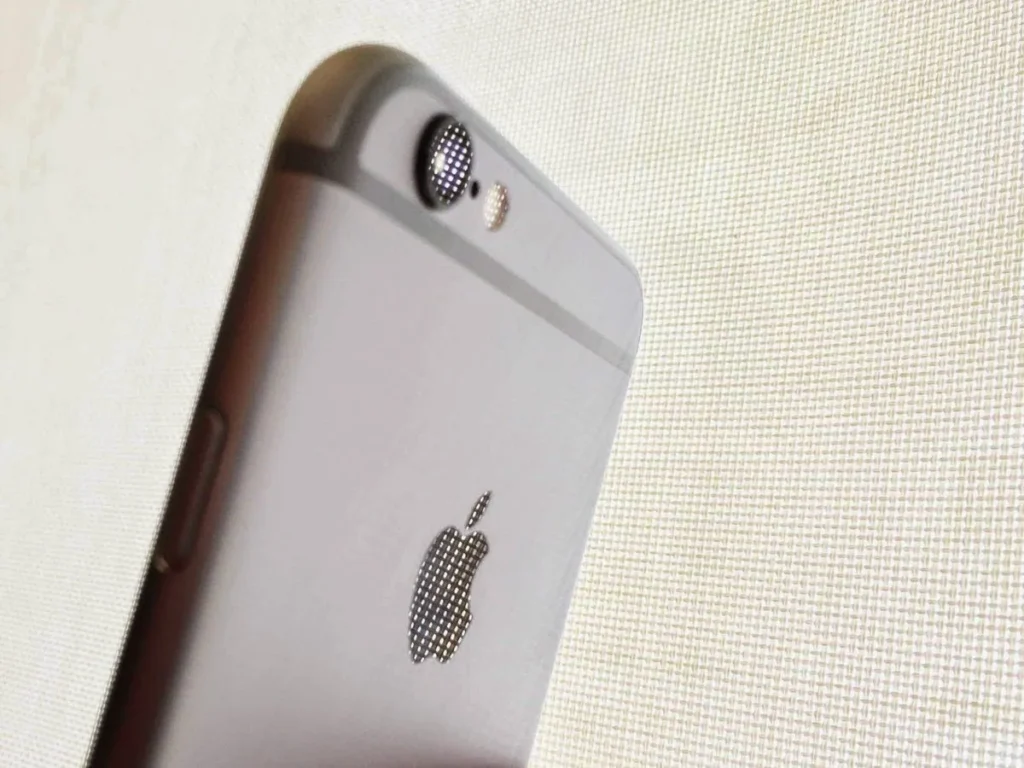
The M9 ran Android with HTC Sense and used Qualcomm’s Snapdragon 810 platform, according to HTC’s launch materials. Apple lists its A8 chip and iOS for the iPhone 6. The platforms differ in app distribution, customization, services, and ecosystem integration. Buyers should consider the other devices and accounts they use, not just processor labels.
Choosing between them in the historical context
Compare the exact regional model and carrier version before relying on network-band claims. HTC notes that network support varies by location and operator. Apple also lists multiple iPhone 6 model identifiers with different cellular bands. Storage options, SIM configuration, battery condition, and warranty terms can vary across units.
These phones are now legacy devices. A present-day purchase requires checking current app compatibility, security-update status, battery health, and network support with the carrier. The original 2015 comparison can explain the hardware choices of its time, but it should not be used as current buying advice. Choose based on the features you can verify, the software you need, and the condition of the specific device.

