
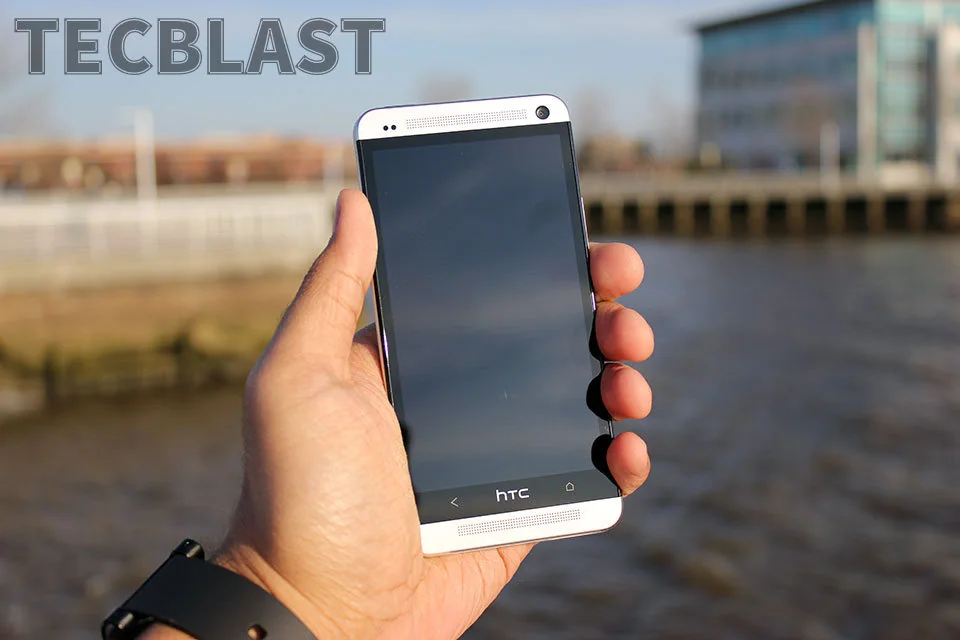
HTC’s Desire 820 became one of the early Android phones promoted around 64-bit mobile processing. Qualcomm’s September 2014 announcement identified the Desire 820 as the first smartphone powered by its 64-bit-capable Snapdragon 615 processor. The chip used two quad-core CPU clusters, and Qualcomm described it as a dual quad-core design. This is the basis for the “octa-core 64-bit” description in the original Tecblast headline.
What “64-bit” meant in this announcement
A 64-bit-capable processor can work with a wider architecture than a 32-bit processor, but that label alone does not make every app faster. Performance depends on the whole device, including the processor implementation, memory, software, thermal design, and the tasks being run. At the time, Android’s transition to 64-bit software was still under way, so hardware capability and what the operating system or an individual app could use were separate questions.
The Desire 820 was an upper-midrange member of HTC’s Desire line rather than a current flagship. Qualcomm’s announcement confirms the Snapdragon 615 association and the launch period. It is safer to use that primary record than to repeat broad marketing claims such as “fastest” or “world’s first” without checking how each claim was defined.
Why the processor mattered in 2014
Phone makers were beginning to bring 64-bit-capable chips to a wider range of Android devices. This shift attracted attention because it suggested that mobile software could take advantage of newer processor designs, while octa-core configurations were frequently used as a headline specification. Core count is only one part of a processor’s design: clock rates, workload scheduling, power use, and software support all influence the experience.
Consumers should therefore compare real-world needs rather than choosing a phone by “64-bit” or “eight cores” alone. Screen quality, battery condition, storage, camera performance, software updates, connectivity bands, and repair support all matter. For a used Desire 820 today, verify the exact regional model and whether it still receives security updates before relying on it for sensitive accounts.
Historical context, not a buying recommendation
The Desire 820 illustrates a moment when 64-bit capability became a prominent smartphone marketing point. The hardware was meaningful as part of the broader transition, but the historical announcement does not imply that the phone remains secure or suitable for modern use. Product support can end even when a device still powers on.
This rewritten article keeps the fact supported by the chipset maker and explains the terminology without promising a performance benefit that cannot be inferred from architecture alone. Readers researching the model should use HTC’s archived product materials for regional specifications and check current support availability before purchasing.

