
Xiaomi’s Mi 3 became the company’s first smartphone introduced for India in July 2014. The phone attracted attention because it paired flagship-style hardware with a price below many competing high-end phones of that period. The first announced Indian price was ₹14,999, although the final sale price was later reported as ₹13,999. That difference matters when reading old launch coverage: announcement pricing and the price at which a device actually went on sale were not always the same.
Mi 3 hardware and regional variants
Xiaomi’s product documentation lists more than one Mi 3 configuration. The Chinese-language product page describes a Tegra 4 version and Qualcomm Snapdragon 800 variants, with the processor depending on the model and supported network. It also lists a 5-inch 1920 × 1080 display and 2 GB of memory. This is why a single headline such as “quad-core processor” does not capture every Mi 3 version: both processor families used four CPU cores, but their hardware and network configurations differed.
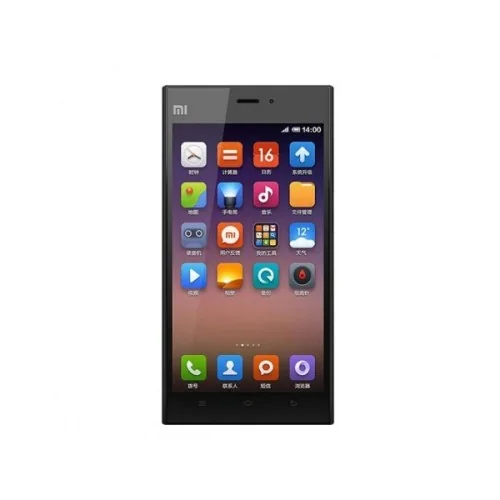
For the Indian launch, contemporary reporting described a Snapdragon 800 model. The device used Xiaomi’s MIUI software based on Android. Buyers considering an imported or second-hand Mi 3 should identify the exact model number before assuming that a specification sheet for another region applies. Cellular bands, firmware, language support, and available accessories can differ between regional variants.
Why the launch drew attention
The Mi 3 arrived as Xiaomi was beginning to expand beyond its original market. An aggressive price-to-specification position helped the company attract early attention, while online flash-sale distribution created a different buying experience from conventional retail. The launch is best viewed in its 2014 market context. Today’s prices, smartphone performance, software support, and retail channels have changed substantially.
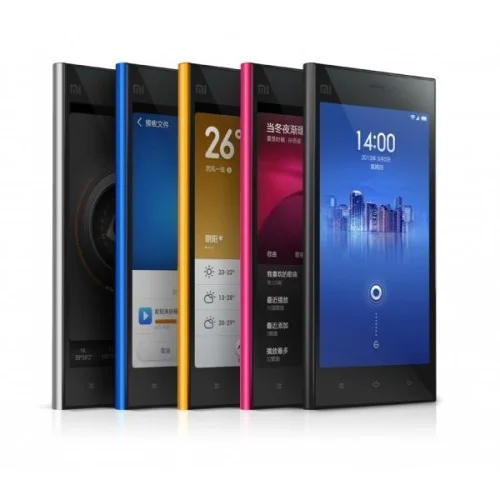
Price comparisons should also be date-specific. The initial ₹14,999 announcement, a later revised price, and the price paid by a particular buyer may not match. Old news reports and product pages can preserve different points in that launch timeline, so readers should check the publication date and whether the page describes an announcement, a sale, or a promotion.
Is a Mi 3 still useful today?
The Mi 3 is a discontinued legacy device. Even if it powers on, its age raises practical questions about battery condition, replacement parts, app compatibility, and security updates. Do not use a phone for sensitive accounts simply because its screen and basic functions still work. Check the installed Android version and security patch level, and avoid entering banking credentials if the device no longer receives security fixes.
The Mi 3’s importance is historical: it marked Xiaomi’s India entry and helped establish the company’s early reputation for offering strong specifications at comparatively low prices. It is not a current buying recommendation. Anyone researching the model should match the documentation to the exact regional variant and treat old pricing as historical context rather than a present-day value guide.

