
Project Ara was Google’s attempt to develop a modular smartphone whose components could be replaced instead of replacing the entire handset. The concept drew attention because a user might upgrade a camera, battery or other module while keeping the phone’s frame. In practice, the design faced the challenge of making removable parts work together in a thin, durable device while meeting expectations for performance, reliability and support.

What the project proposed
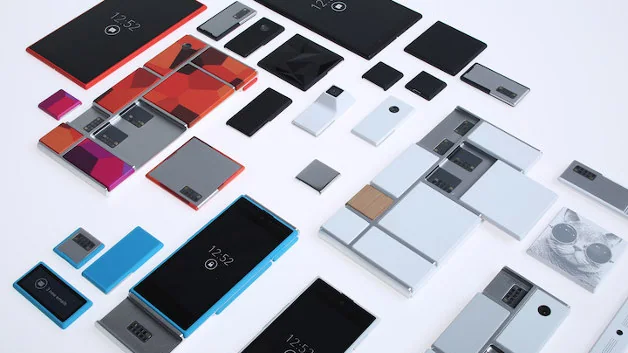
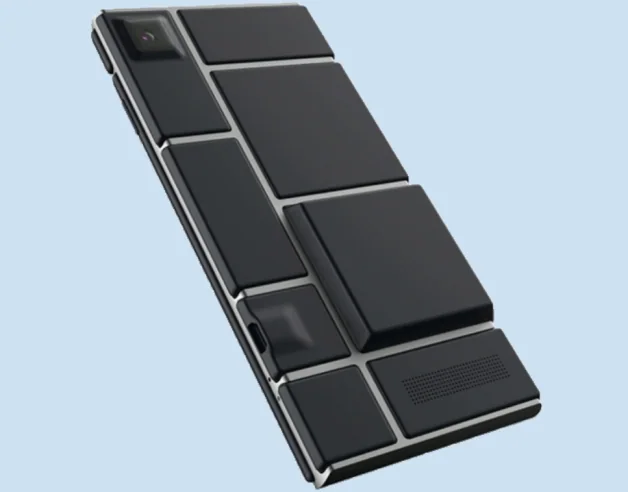
Rather than a conventional sealed phone, Ara envisioned a frame with swappable modules. The idea connected to a broader interest in repairability and customization: modular parts could, in theory, extend a device’s useful life and let buyers choose hardware. Demonstrations and developer plans changed over time, so prototype capabilities should not be confused with a finished retail product or a commitment that every module would become available.

Google ultimately cancelled Project Ara in 2016 before a consumer phone launch. Contemporary reporting described the decision as shelving the initiative; it did not produce an ongoing phone platform that readers can purchase or update today. The cancellation is a useful reminder that a compelling prototype still needs a reliable parts ecosystem, manufacturing support, software compatibility and a sustainable business model.

Why modular phones are difficult
Replacing a component can affect heat, power draw, radio performance, water resistance, mechanical strength and software drivers. Each module needs testing with the rest of the system. Manufacturers also need to keep compatible components in stock, publish repair information and support software across combinations. Those trade-offs explain why modularity is not simply a matter of attaching interchangeable blocks.
Project Ara remains an important technology-history case study, not a current buying guide. Readers interested in repairable devices should compare products actually sold today and check independent repairability information, parts availability and software-update commitments. This article uses contemporary reporting to establish the cancellation and avoids repeating speculative dates or promised specifications as final facts.

Modularity remains a useful lens for evaluating repairable electronics, but it is not evidence that Ara achieved its original goals. Compare the concept with devices that actually reached customers, looking at replacement-part costs, repair manuals, software support and warranty terms. Do not claim that Ara reduced electronic waste in practice: the project ended before a consumer product could demonstrate that outcome.

