
OPPO’s N3 was one of the more distinctive smartphones of 2014 because its camera module could rotate between rear and front-facing use. OPPO later described the N3 as an evolution of its N-series camera concept, highlighting an electrically rotating camera and a dedicated remote accessory. The design addressed a simple problem: a single high-quality camera could serve both conventional photos and self-portraits.
How the rotating camera worked
Instead of placing separate cameras on the front and back, the N3 used a camera assembly that could turn to face the subject. This let the same sensor and lens capture a selfie or a scene behind the phone. OPPO’s own retrospective describes the device’s electric rotating camera and notes that the O-Click accessory could trigger camera rotation and take pictures. The mechanism made the phone memorable, although moving parts also add mechanical complexity compared with fixed camera modules.

The N3 followed the earlier OPPO N1, which had already explored a rotating-camera design. OPPO’s later historical accounts position the N3 as a refinement of that idea. These company sources are useful for documenting the manufacturer’s design intent, but they are not independent measurements of image quality or durability. Claims about low-light performance, camera speed, or long-term reliability should be supported by testing rather than marketing language.
Why the N3 mattered as a design experiment
Smartphone cameras often involve trade-offs among image quality, thickness, cost, and the number of components. A rotating assembly offered a way to use one camera in two directions, potentially avoiding a lower-resolution selfie camera. It also made the phone’s design visibly different at a time when many devices shared a similar flat-front layout.
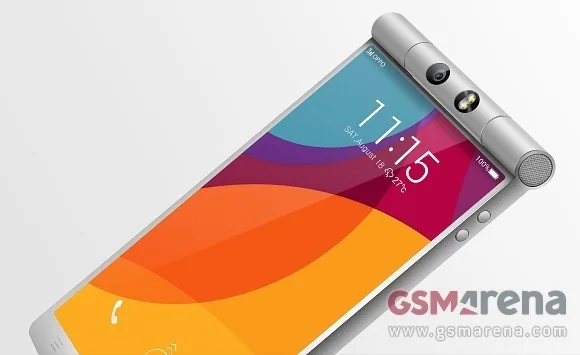
Novelty alone does not establish that a mechanism is better for every user. A rotating module can require more moving parts and careful handling, while fixed multi-camera systems offer other capabilities. The right design depends on the user’s priorities, manufacturing constraints, and software support. The N3 is best understood today as a notable historical experiment rather than a current handset recommendation.
Considering an older OPPO N3
The N3 is a discontinued product. Before buying one used, verify the exact model and regional network compatibility, inspect the camera hinge and motor, check battery health, and confirm whether essential apps still support its software. Do not assume that a functional camera mechanism means the phone receives security updates. Availability of replacement parts and warranty coverage may be limited.
The Tecblast post originally previewed an upcoming announcement. This updated version focuses on the product feature that made the N3 noteworthy and uses OPPO’s own retrospective materials to distinguish documented design details from claims that need independent testing.

