
What Motorola announced
Motorola’s September 2014 announcement introduced a refreshed Moto G alongside other devices. Qualcomm’s report also covered the launch. These sources confirm the launch-era announcement, but availability, configurations and network compatibility varied by market; a single global specification list can mislead.
How it fit the market
The Moto G line was positioned as an accessible smartphone series. A new generation updated selected hardware or features while retaining a familiar product tier. Buyers comparing used devices should identify the exact model number and carrier variant rather than relying on the family name alone.
Rumor versus confirmation
Pre-launch coverage may combine leaks, retailer listings and speculation. Once the company publishes an announcement, editors should label confirmed details separately and remove figures that cannot be tied to reliable sources. This article uses the 2014 announcement as its historical anchor rather than treating rumors as promises.
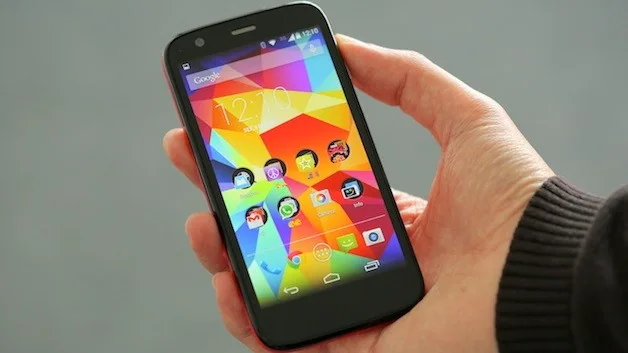
Advice for old handsets
Age affects security support, app compatibility, battery condition and network access. Confirm support status, local carrier bands and battery health before buying a used model. Do not use an unsupported phone for sensitive accounts. This is an archival launch report, not a claim that the handset remains suitable for everyday use.
Before Motorola announced the second-generation Moto G in September 2014, online coverage mixed product speculation with expectations about how the affordable phone would change. Looking back, the most useful way to preserve that reporting is to separate what was confirmed from what was merely rumored. Motorola’s launch announcement is the primary record: it introduced an updated Moto G as part of a broader group of phones and accessories. Later details should not be retroactively presented as facts that were known before the announcement.
What Motorola confirmed
Motorola announced its new Moto G on September 5, 2014. The company described a larger display, an improved camera, stereo sound, and customization options, while retaining the value-focused positioning that had made the original Moto G popular. Qualcomm’s contemporaneous announcement also identified the new Moto G among Motorola’s September product introductions and noted its Snapdragon platform. These company statements establish the launch and broad product direction without relying on anonymous rumor reports.

How to read the pre-launch claims
Rumor articles often combine leaks, analyst expectations, and guesses based on a prior model. Some predictions may happen to match the final product, but that does not make every detail verified. A careful archive labels those claims as speculation and compares them with the eventual announcement. It should not invent a source for a leaked specification or describe an unconfirmed feature as part of the final phone. Where the original rumor cannot be independently verified, the detail should be omitted.
Why the update mattered
The second-generation Moto G continued a product strategy centered on balancing everyday features and a lower price. In 2014, users were comparing display size, camera performance, storage, battery life, and software support across a crowded Android market. Motorola’s launch material framed the new device around practical improvements rather than a flagship specification contest. That context helps explain the product’s positioning without treating marketing language as an independent performance test.
What readers should know now
The 2014 Moto G is legacy hardware. This article is a historical record of the rumor-to-launch timeline, not a current purchase recommendation or a guide to installing software. Old specifications should not be used to judge present-day security, app compatibility, network support, or battery condition. Anyone maintaining an older handset should check the exact model and use manufacturer documentation where it remains available; avoid firmware files or repair steps intended for a different variant.
The confirmed account is straightforward: Motorola publicly announced the second-generation Moto G on September 5, 2014, describing several hardware and customization updates. Reports published before that date belong in the rumor category unless a primary source confirms them. Keeping that distinction visible turns a dated speculation post into a more reliable product-history article.
Related reading: Moto G (2nd Generation): A 2014 Launch Retrospective.

