
Archive: 2014 launch. Android One began as Google’s effort to make capable smartphones and internet access more attainable in markets where many people were coming online for the first time. Google announced the first Android One phones in India in September 2014, after outlining the initiative at Google I/O. The project combined hardware guidance and a software experience designed with Google, while local manufacturers built and sold the devices.
What Google said Android One was for
Google’s launch post described three barriers: the cost of hardware, access to current Android software and popular applications, and the cost or availability of mobile data. The program aimed to address those obstacles through affordable devices, a consistent software experience, and cooperation with local partners. Google said Android One phones would receive Android updates directly from Google, with the intention of making newer software available sooner than on many other entry-level phones at the time.
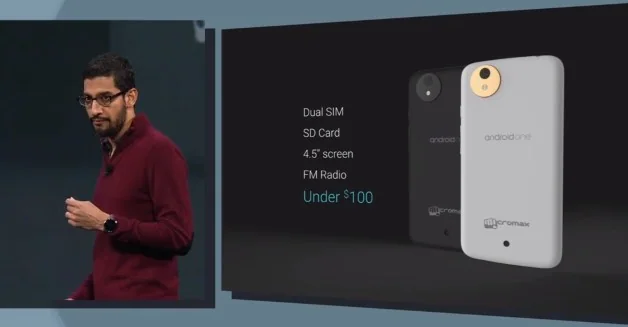
The initial Indian lineup was made with local manufacturing partners. This partner model mattered: Android One was not one single handset sold everywhere, and specifications, retail price, availability, and network support depended on the model and country. An announcement about a target price or broad program goal cannot establish the final price a buyer paid after taxes, retailer pricing, or carrier offers.
Why “budget” did not mean identical trade-offs
Affordable phones still involve choices. Display quality, storage, camera hardware, processor performance, battery capacity, materials, and mobile connectivity affect cost. Android One sought a baseline software experience, but it could not make every model identical or guarantee that each market had the same device selection. Buyers comparing a 2014 launch model needed to check its exact manufacturer specification sheet and local availability rather than assume all Android One phones had the same components.
Nor should “updates directly from Google” be interpreted as a timeless promise about the entire Android One brand. Google’s statements describe the program at launch; later devices and program arrangements changed. Update timing can depend on model, region, carrier, and manufacturer participation. Historical claims should be attributed to the dated announcement and not treated as a current guarantee for a used handset.
How to evaluate Android One today
The original Android One phones are legacy devices. Their launch positioning does not say whether they currently receive security fixes or support modern apps. Before buying or using any older Android phone, identify its exact model and check current manufacturer support information. Avoid installing firmware from unofficial sites to force an update, because wrong firmware can damage a device or expose personal data.
Android One’s first Indian launch is best understood as a platform and partnership strategy: Google sought to lower barriers through software consistency, while local partners supplied the hardware and market reach. The original “budget” framing was about accessibility, not a claim that every phone was the cheapest or best choice for every buyer.

