
Google Glass drew attention in 2014 as a hands-free camera and small display that could show information in the wearer’s field of view. Some clinicians and researchers explored whether a first-person view could support remote observation, teaching, or access to information during a procedure. Those early demonstrations showed a technical possibility, not proof that smart glasses improve clinical outcomes or are appropriate for routine care.
What the published evidence says
A systematic review of Google Glass in surgical settings examined studies on feasibility, usability, and acceptability. The literature was limited and varied in design; researchers described possible benefits alongside practical constraints. A separate review of plastic-surgery literature also called for more high-quality research before making broad conclusions about clinical impact. Small demonstrations or positive participant feedback should not be treated as evidence that a device is safe or effective for every operation, specialty, or patient.
Practical limits in a clinical environment
Wearable displays can compete with a clinician’s attention, offer a restricted field of view, and depend on battery life, network connectivity, image quality, and reliable controls. A camera worn by staff can also capture patients, colleagues, screens, or conversations. Any recording or live stream requires appropriate consent, institutional approval, access controls, and a clear plan for storage and deletion. A device maker’s consumer privacy settings do not replace a hospital’s clinical governance and privacy obligations.
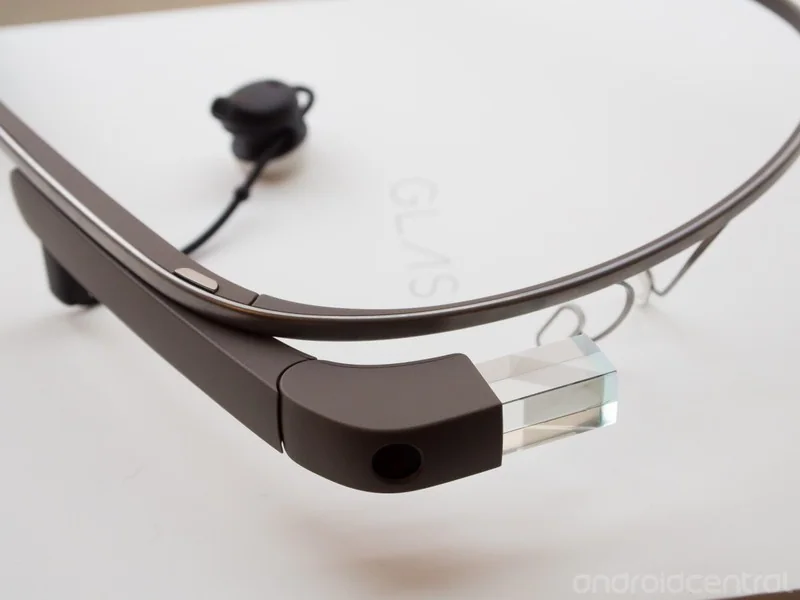
Google Glass is a legacy platform
Google announced that it would stop selling Glass Enterprise Edition on March 15, 2023. Google’s support notice also said its preinstalled Meet on Glass app would not receive ongoing support after September 15, 2023 and might stop working. Existing devices may still power on, but an unsupported service should not be assumed to work reliably or securely in a clinical setting. Organizations should consult Google’s notice and their device supplier before relying on old hardware.
How to assess newer smart-glasses proposals
Ask what clinical problem the device solves, whether a controlled study supports the proposed use, and how it handles consent, cybersecurity, data retention, cleaning, accessibility, and failure recovery. Evaluate the system with the hospital’s privacy, security, and clinical-safety teams. Do not use consumer glasses to record or transmit patient information without institutional authorization and patient safeguards.
This article updates an early Google Glass report with evidence and product-status context. It is a technology overview, not clinical guidance. Decisions about patient care and recording must follow current professional standards and local policy.

