
Samsung’s Galaxy S6 and Galaxy S6 edge marked a visible design shift when they were announced in 2015. Both used glass-and-metal construction, while the S6 edge added curved sides to the display. Samsung described the pair as a new design direction for its Galaxy line. This archive focuses on the company’s product announcement rather than repeating an unprovable launch-era superlative.
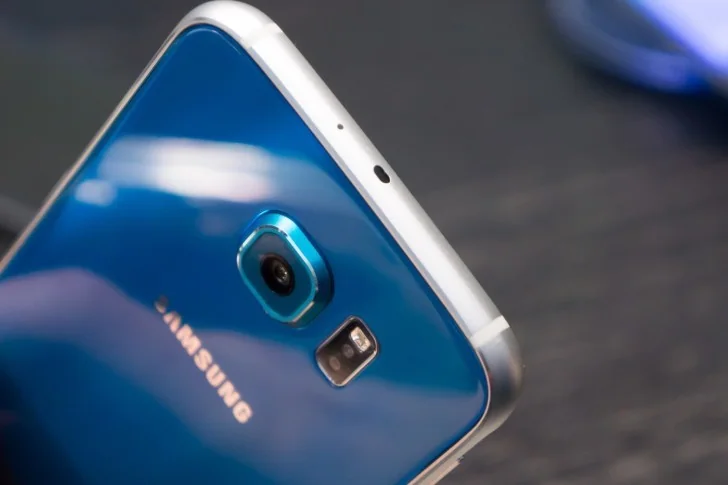
Two models, one design platform
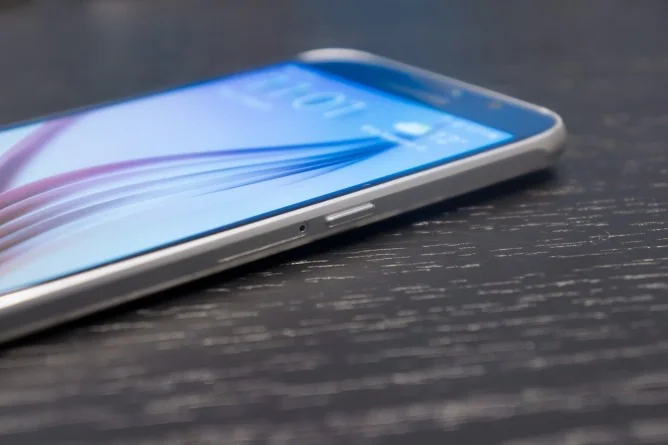
Samsung’s product materials describe both phones as combining glass with a metal frame. The S6 edge is distinguished by curved sides, formed using Samsung’s 3D thermoforming process; the standard S6 has a flat screen. The curved display changed the phone’s appearance and enabled selected edge effects, while the models shared much of their core feature set.
Samsung presented the construction as a more premium design. That is the manufacturer’s positioning, not independent evidence of durability or comfort. Glass-backed devices can feel different from earlier materials, but can also be vulnerable to drops and expensive to repair. Case protection and service availability matter when evaluating a used phone.
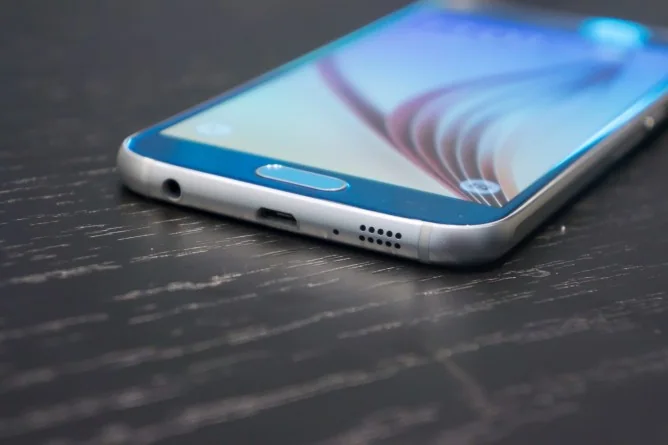
Launch timing and product context
Samsung announced the pair in March 2015 and published U.S. ordering details later that month. Its newsroom notice said U.S. pre-orders would begin March 27 and nationwide availability would start April 10. Carrier and regional schedules varied, so those dates do not apply everywhere.
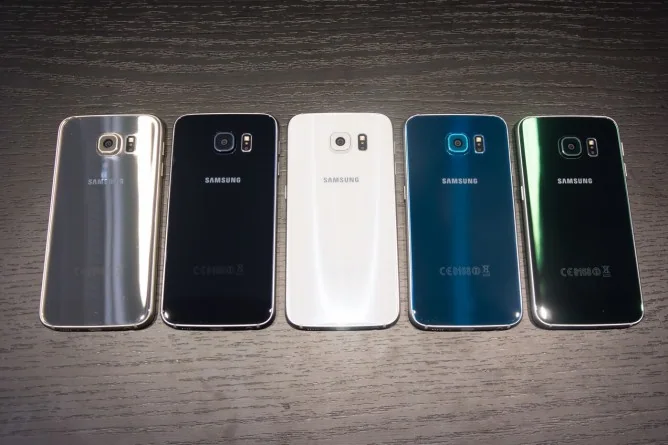
Samsung highlighted updates to the camera, battery, display, and charging. Exact features can differ by model or market, so consult the phone’s regional documentation instead of assuming all versions are identical. Launch articles are useful for context, but they are not a substitute for a current inspection of a specific used device.
What the curved edge meant
The edge screen added a distinctive contour, but it was not a separate independent display. The curved area remained part of the same screen and supported selected visual effects and shortcuts. A curved panel can look striking, while affecting reflections, touch handling, and protective-case fit.
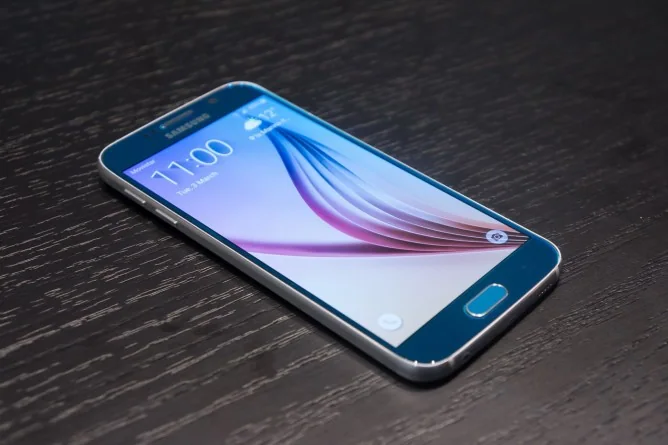
Brief launch demonstrations cannot establish long-term durability, battery health, repair cost, or how well a screen has held up after years of use. Those questions require extended testing and a condition check of the actual handset.
How to read the S6 legacy
The Galaxy S6 family is discontinued. Its design remains useful for understanding Samsung’s smartphone history, but the original launch material is not current buying advice. Anyone considering an older phone should check battery condition, network compatibility, parts availability, and security-update status.
The fact-based comparison is concise: Samsung introduced a glass-and-metal Galaxy design, and the edge variant added a dual-curved display. The 2015 headline calling the S6 the “nicest” Android phone was opinion, not a verifiable specification.

