
Before Samsung’s 2015 flagship launch, leaked videos and images fueled speculation about the Galaxy S6 and the curved-screen Galaxy S6 edge. Those materials helped build interest, but they were not a substitute for the company’s final product announcement. Samsung unveiled both phones at its Galaxy Unpacked event in March 2015 and published official information about their designs, displays, storage options, and availability.
What Samsung confirmed
Samsung’s launch materials described the Galaxy S6 and S6 edge as a new design direction, combining a metal frame with glass. The S6 edge’s display curved along both sides, distinguishing it visually from the standard S6. Samsung later announced U.S. preorder and retail dates and, separately, Indian availability and pricing. Those regional announcements show why release date and price claims should be tied to a country rather than presented as universal.
When a pre-launch video appears online, its origin and completeness may be unclear. It could show a prototype, a mock-up, a partial device, or material edited without context. Even accurate-looking footage does not establish final retail specifications, software behavior, or pricing. Readers should wait for an official product page or announcement before using a leak to make a purchase decision.
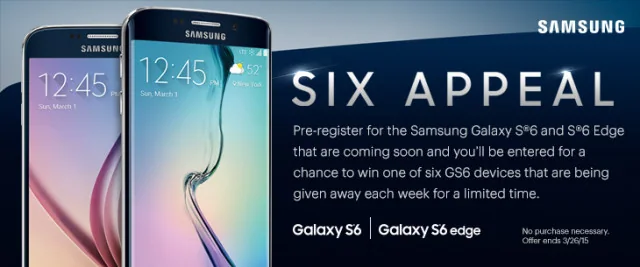
How to compare a curved display
The S6 edge’s curved sides were a design feature, not proof that every user would find the phone easier to use. Display shape can affect reflections, case fit, accidental touches, and repair. A buyer comparing models should consider the complete device: size, storage, battery condition, software support, repairability, and compatibility with local networks. Samsung’s product pages document what the company offered at launch, while hands-on testing is needed to judge comfort and durability.
The Galaxy S6 family is now legacy hardware. Launch coverage can explain the design and the role of the edge variant in Samsung’s 2015 lineup, but it cannot establish current security support or whether a used unit is a good daily phone. Before buying an older device, verify the precise model number, carrier lock, battery health, update history, and return options. Avoid storing sensitive information on a phone that no longer receives security patches.
From rumor to record
This is a useful example of how technology reporting should evolve: label early material as unverified, then update the story with the official facts once they are available. The confirmed launch is more valuable to readers than repeating a leak headline indefinitely. The video itself should be embedded only if its rights and provenance are clear.
Sources and limits
Samsung’s global launch announcement documents the design and product positioning; its U.S. and India newsroom releases provide regional timing and availability. Company descriptions are attributed as manufacturer claims, not independent test results. No present-day price or support status is asserted.

