
In the early 2010s, Microsoft publicly announced patent-licensing agreements with several Android device makers. That history led technology writers to estimate that Microsoft received royalties connected with some Android products. The headline figure of $5 to $15 per device, however, is not a universal or officially disclosed rate. Agreements were private, terms differed by company and product, and the public announcements did not establish what every manufacturer paid.
What patent licensing means
A patent license is permission to use technology covered by specified patents, under terms negotiated between parties. A company may announce that it has signed an agreement without revealing the royalty formula or the devices covered. A settlement or license should not be read as proof that every product infringed a patent, and it does not show how much revenue an agreement generated. Press releases are useful primary sources for confirming that an agreement existed, but they may omit commercial details.
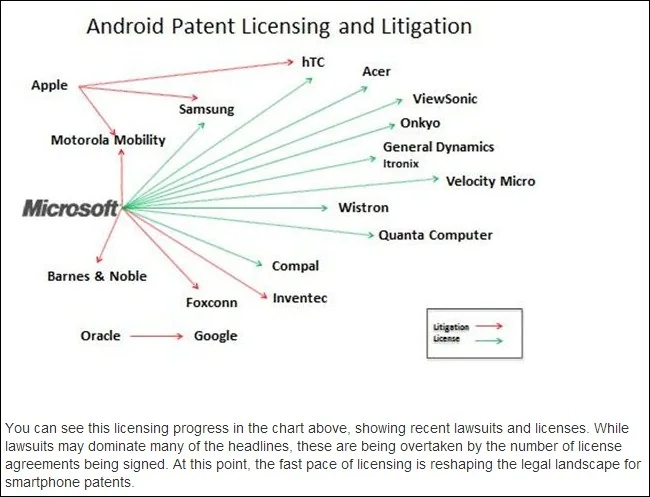
Microsoft’s 2014 announcement with Dell and its 2015 announcement about Samsung are examples of publicly confirmed agreements in that period. They do not verify the blog post’s broad per-device estimate. Any precise number should be attributed to a named analyst or contemporaneous report, with date and methodology. Without that evidence, the amount remains an estimate, not a fact.
How to read this story today
This is historical business coverage, not a current description of Microsoft’s Android revenue or patent portfolio. Corporate structures, patent holdings, licensing practices and product markets have changed since publication. Do not extrapolate a 2014 estimate to devices sold today. The article remains on editorial hold until its original estimate can be traced to a reliable contemporaneous source and its conclusion revised to distinguish documented agreements from speculation.
For readers researching technology economics, compare company announcements with court filings, regulatory documents and independent reporting. Look for the precise period, parties and patent categories involved. A dollar figure without those boundaries can create a misleading impression of a fixed tax on every Android device.
Use the two cited Microsoft announcements to confirm that selected licensing agreements existed, not to infer a standard rate. Public statements by a party to a negotiation can omit confidential terms. To substantiate the headline, an editor would need an attributable contemporaneous source that explains its estimate and denominator. Without that, this piece remains a historical discussion of patent licensing, not a financial fact sheet.

