
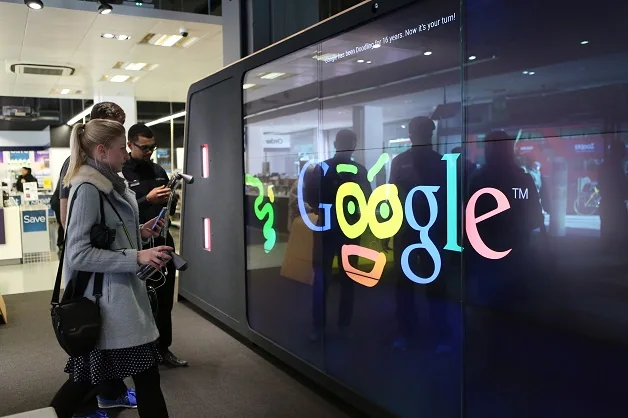
On March 11, 2015, Google opened a branded “Google Shop” inside a Currys PC World location on Tottenham Court Road in London. The shop-in-a-shop format gave visitors a place to explore Google devices and services in person. Contemporary coverage linked to a statement from Dixons Carphone, the retailer’s parent company, describing a world-first shopping experience. The wording can be confusing: this was a branded retail area within a partner’s electronics store, not a standalone Google-owned high-street shop.
What visitors could try
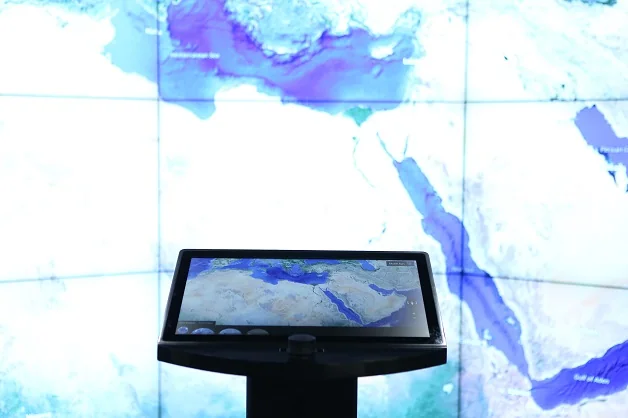
Reports from the opening described Android phones and tablets, Chromebook laptops, and Chromecast products, along with demonstrations of Google software. Visitors could experiment with a large interactive Google Earth display and a digital “Doodle Wall.” The idea was to let shoppers see devices and services working together before making a purchase. The period’s press coverage also described classes and demonstrations, including sessions about online safety and coding for children.
Why the store-in-a-store distinction matters
Retail headlines often use “first store” as shorthand, but the business model is important. The London Google Shop occupied space inside Currys PC World and relied on the retailer’s existing location and sales operation. It was an experiment in physical product discovery and brand experience, rather than evidence that Google had launched a nationwide chain of independent stores. Later Google retail projects in other markets had different partners and formats, so they should not be confused with this 2015 UK arrangement.
A snapshot of technology retail in 2015
The project reflected a broader effort to make connected products easier to understand. A phone, laptop, streaming device, and online service can each be confusing on its own; an in-person demonstration can show how they fit into a household’s everyday use. A branded area also gives a technology company visibility in a shop where customers already compare electronics. Those are strategic goals, not proof that the concept increased sales or became a lasting retail network.
What the archive does not claim
This account is historical. It does not provide current opening hours, assert that the Tottenham Court Road installation still exists, or imply that Google operates that particular location today. Readers planning a visit should verify current retailer information directly. The article also avoids unverified claims about the shop’s sales, lease terms, or commercial performance.
The confirmed point is narrower and more useful: in March 2015, Google and Currys PC World presented a branded shop-in-shop in central London, combining product displays with interactive demonstrations. It was an early retail experiment that helps explain how online-first technology brands tried to create hands-on shopping experiences.

