
Archive: July–September 2014. Photos circulated online in 2014 showing a device described by some reports as a Motorola “Moto X+1” prototype. That label was speculation, not a product name Motorola had confirmed at the time. The pictures may have shown a development handset, but an image alone cannot establish its model, final design, or retail specifications. This article treats the photographs as an unverified leak and separates them from Motorola’s later announcement.
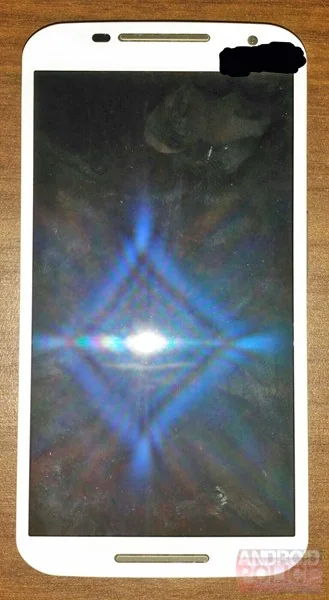
How to read a prototype leak
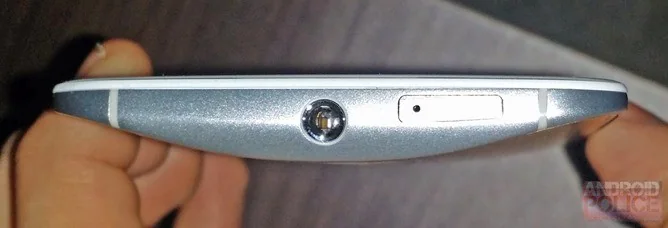
Pre-release images can be genuine, altered, mislabeled, or taken from an earlier design. A prototype may use temporary components or a case that hides its final appearance. Cropped photographs also remove context such as the source, date, and device identifiers. Unless a manufacturer confirms a device or the images can be independently authenticated, details such as screen size, camera hardware, ports, and release date should be described as claims rather than facts.
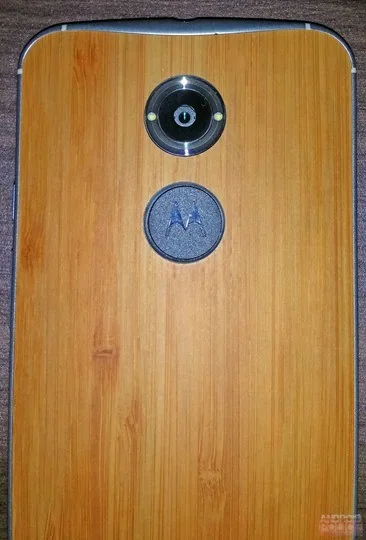
The nickname “Moto X+1” appeared in rumor coverage before launch. Motorola did not use that name in its September 2014 press announcement. Instead, the company introduced a new Moto X and Moto G as its updated smartphone portfolio. Contemporary coverage often called the new Moto X the second-generation Moto X or Moto X (2014) to distinguish it from the 2013 model. That eventual product name is a more reliable way to identify the handset than the rumor label.
What the final announcement confirmed
Motorola’s September announcement described the new Moto X as having a 5.2-inch Full HD display and a curved metal frame, with back materials including wood and leather options. Motorola also highlighted customization and hands-free features. These were announced specifications and product features, which differ in evidentiary strength from claims inferred from a leaked photo. The company separately announced an updated Moto G, Moto 360 watch, Moto Hint wireless earbud, and Power Pack Micro in the same product event.

Product details can vary by country, retailer, and configuration, so archived specifications should not be used to diagnose a modern device or choose accessories without checking the exact model number. A prototype image may not show the production hardware at all.
Why the distinction matters
Leaks can make technology reporting timely, but their uncertainty should remain visible after the product launches. Editors can update a rumor story with a short timeline: what circulated, what the manufacturer later confirmed, and which predictions proved wrong or remained unverified. This approach preserves the historical record without turning speculation into a claim of fact.
The surviving photos in this article should be kept only if their origin and reuse rights can be established. If the original source cannot be verified, replace them with Motorola-approved launch imagery or remove them. Do not call the photographed handset a confirmed Moto X+1. The defensible conclusion is narrower: rumors used that name in 2014, and Motorola later announced a new Moto X without confirming “Moto X+1” as its official name.

