
Archive: This article revisits the Nexus 6 from the 2014–2015 period. It is a historical overview, rather than a current buying recommendation or a new hands-on review.
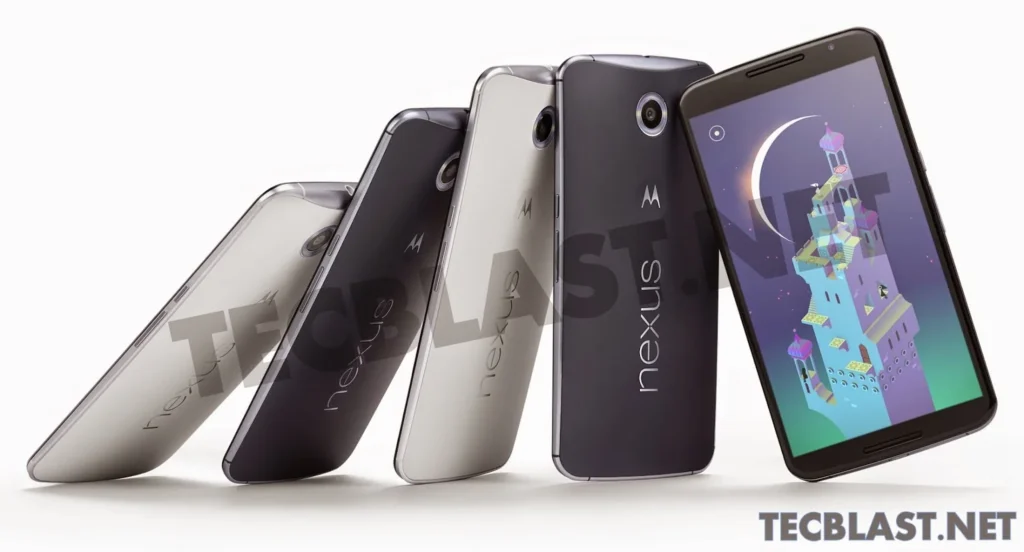
The Nexus 6 marked a change of scale for Google’s Android phone line. Motorola built a handset aimed at people who wanted more room for reading, video and apps. The Nexus approach to Android was also part of its appeal: Google-led software rather than a heavily customized manufacturer interface.
Why size mattered
A large display can make a map easier to follow and a long email easier to read. It changes everyday handling too. Reaching a corner, taking a quick photo and carrying a phone in a pocket become different experiences. That tradeoff is the most useful way to understand the Nexus 6: size was central to the product.
A collector reading an older review should separate the design discussion from claims about a particular test unit. Battery condition, software and physical wear can make another example behave differently. A decade-old performance account cannot establish the experience of a used device today.
A launch tied to Android Lollipop
The phone launched with Android 5.0 Lollipop and a Snapdragon 805 processor. Qualcomm’s contemporary announcement provides that launch context. Buyers were considering both a new handset and a new Android generation.
Distinguish launch software from whatever is installed on an individual device. An old screenshot, a custom ROM and the original factory image do not describe the same experience. App compatibility and security expectations also change over time.
Evaluating an old example
For a collection or repair project, inspect physical condition before getting distracted by specifications. A damaged charging connector, worn battery or unreliable button can matter more than an old benchmark. Ask which software is installed and whether accounts have been removed.
For daily use, independently check security support, network compatibility and the apps you require. Do not infer support from the fact that a phone starts or connects to Wi-Fi. A low purchase price is only one part of the cost if repairs are needed.
Its place in phone history
The Nexus 6 belongs to the period when very large phones were still treated as a distinct category. Its history helps explain the transition toward screen-first design. That context is more useful than presenting an old launch review as advice for a current purchase. Readers looking for a daily phone should compare current supported models against their own needs.

